FG to Build Six Medical Simulation Centres, Targets 20,000 Medical Students Annually
By Victor Idajili
The Federal Government plans to set up six world-class medical simulation centres across Nigeria’s six geopolitical zones, as part of a broader push to train more doctors and other health workers and curb the impact of brain drain.
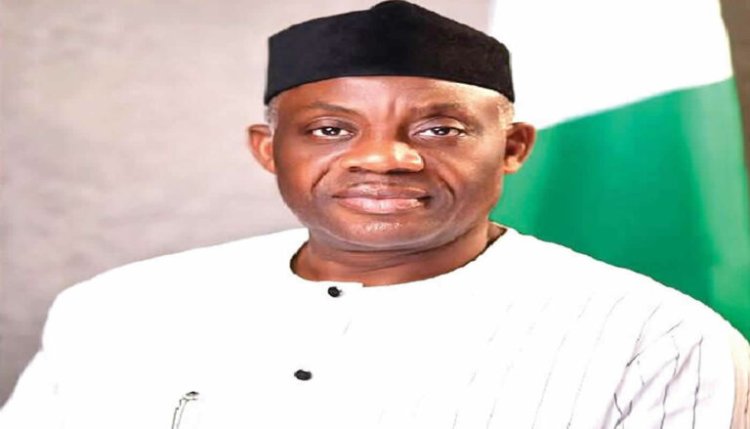
Minister of Education, Dr. Tunji Alausa, announced the plan on Sunday while receiving the report of the Tertiary Education Trust Fund Medical Simulation Committee. The statement was issued by his Office through Special Adviser on Media and Communications, Ikharo Attah.
According to Alausa, the centres will provide advanced practical training for students in medicine, dentistry, nursing, pharmacy and other allied health fields.
“I would like to thank the members of the committee that have worked so hard and assiduously to get us to this point in which we are now talking about building several simulation centres across the country to provide world-class training for our medical students, dental students, nursing students, pharmacy students and other allied healthcare professionals,” he said.
The initiative aligns with President Bola Tinubu’s Renewed Hope Agenda to expand Nigeria’s healthcare workforce.
Alausa said the expansion is necessary because enrolment into health-related programmes has grown significantly in recent years.
He disclosed that nursing admissions have jumped from about 38,000 three years ago to over 120,000 today. Medical school admissions have also risen from around 5,000 when Tinubu took office to nearly 12,000 now.
“Today, I’m happy to report that we’re admitting almost 12,000 students. Our goal in the next three years will be to increase the number of annual medical student enrolment in medical schools to about 20,000,” the minister said.
He added that admissions into pharmacy and dental schools have also increased.
Alausa commended Dr. Wale Suleiman, Chairman of the Medical Simulation Committee, and other members for driving the project. He said the simulation centres will ensure that the growing number of health students get adequate hands-on training.
The plan comes amid ongoing concerns over the “Japa” migration of Nigerian doctors, nurses and other professionals leaving for better pay and conditions abroad. The exodus has worsened staffing shortages in public hospitals and put pressure on the health system.
With the new simulation centres, the government says it aims to both increase training capacity and improve the quality of practical education for the next generation of health workers.
“President Bola is committed to providing the best and the highest quality of education to every child in this country. We are seeing it; we are seeing the result now. It’s another manifestation of President Bola’s fervent and benevolent belief in the progress and benefit of the future of Nigeria,” Alausa stated.