NLNG Says It Has Paid $10.8bn in Taxes, Generated $149.6bn Revenue Since 1999
By Victor Idajili
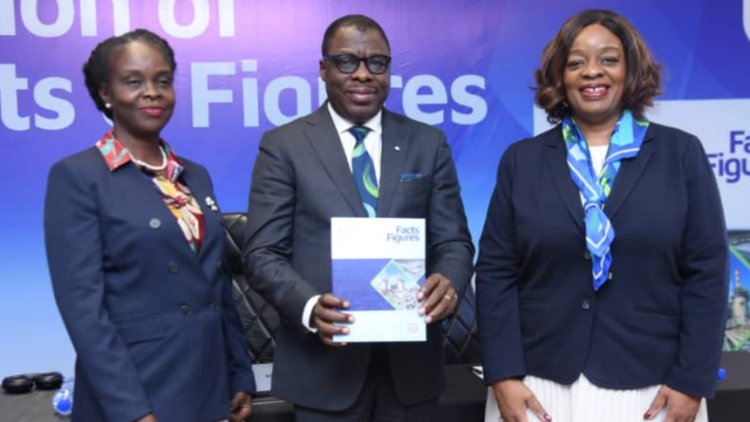
Nigeria LNG Limited has remitted over $10.8 billion in Company Income Tax and other taxes to the Federal Government since 2011, and generated $149.6 billion in revenue since it began operations in 1999.
The Managing Director and CEO of NLNG, Engr. Adeleye Falade, disclosed this on Tuesday in Bonny during the company’s annual “NLNG Facts & Figures” interactive session with journalists.
Falade said the $10.8 billion tax payment followed the withdrawal of NLNG’s pioneer status in 2011, after which the company became fully tax compliant. The company, which has assets valued at over $22.9 billion, has also paid $47.2 billion in dividends to shareholders within the same period.
“These milestones underscore NLNG’s enduring contribution to Nigeria’s economy, energy security and global competitiveness,” Falade stated.
He added that since inception, NLNG has loaded more than 6,285 LNG cargoes and continues to supply over 500,000 tonnes of LPG to the Nigerian market annually.
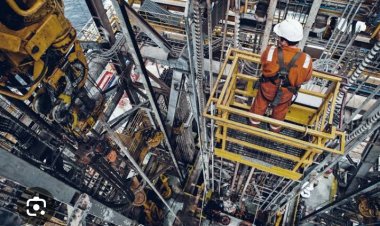
Falade said the company’s immediate priority is the safe delivery of Train 7, described as one of Africa’s largest LNG expansion projects.
When completed, Train 7 will increase NLNG’s production capacity by about 35%, from 22 million tonnes per annum to 30 MTPA. LPG production for domestic use will also rise by roughly 50%, adding an estimated 250,000 tonnes annually.
“Train 7 represents much more than additional production capacity. It reflects our confidence in Nigeria’s gas potential and our commitment to creating long-term value through increased exports, stronger domestic gas supply, Nigerian Content development and economic growth,” he said.
He noted that the project aligns with the Federal Government’s Decade of Gas initiative, which positions natural gas as key to industrialisation, economic diversification and Nigeria’s transition to a lower-carbon future.
On community investment, Falade highlighted the Bonny–Bodo Road Project as one of Nigeria’s biggest corporate infrastructure interventions. The road, he said, has provided the first direct link between Bonny Island and mainland Rivers State and is opening up new economic opportunities.
On the environment, he reaffirmed NLNG’s commitment to emissions monitoring and reduction, conservation through the Finima Nature Park, and collaboration with regulators on carbon capture and storage.
Falade acknowledged that feedgas availability remains a major challenge for the sector. However, he expressed optimism that ongoing work with government, regulators and upstream partners, backed by recent reforms, will secure long-term supply.
Despite growing competition from new LNG producers globally, he said NLNG remains competitive through operational efficiency, reliable delivery and investment in its people and assets.
“Nigeria possesses one of the world’s largest gas reserves. Our collective responsibility is to monetise that resource responsibly and sustainably, creating jobs, expanding energy access, driving industrialisation and improving lives for generations to come,” Falade said.
Also speaking, Sophia Horsfall, General Manager, External Relations and Sustainable Development, said the Facts & Figures session is part of NLNG’s push for transparency.
“Today’s engagement is not simply about sharing statistics. It is about providing context that enables better understanding of NLNG’s business, our contribution to Nigeria’s economy, and the strategic role natural gas continues to play in supporting sustainable development,” she said.
Horsfall added that the company will continue to deepen engagement with the media through timely information, access to experts, and opportunities for journalists to see operations first-hand.