Senate rebukes Oshiomhole, voids arrest warrant against Kyari in NNPCL N210tn probe
By Victor Idajili
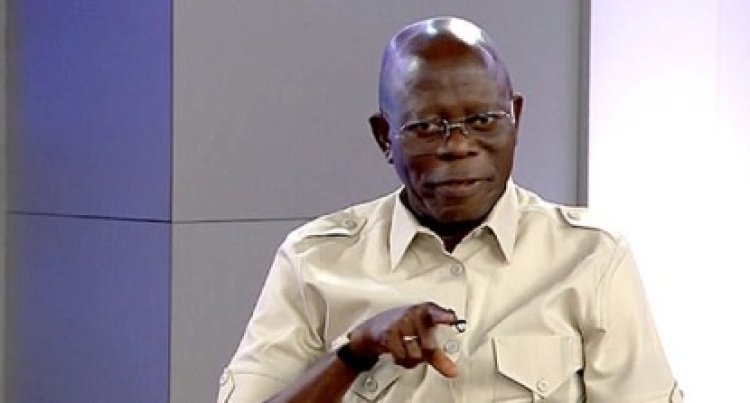
What started as a tough Senate probe into claims that NNPCL couldn’t account for N210 trillion ended with the full Senate publicly rebuking its own Public Accounts Committee, distancing itself from Senator Adams Oshiomhole’s comments, and cancelling the arrest warrant issued against ex-NNPCL boss Mele Kyari.
On Thursday, the Senate moved to protect its institutional credibility. Through a motion by Senate Leader Opeyemi Bamidele, lawmakers stressed due process, fair hearing and the legal limits of committee powers.
The Public Accounts Committee was investigating allegations of missing funds at NNPCL. It summoned Kyari, but he wrote the committee saying he was receiving medical treatment in Germany and couldn’t attend. He promised to respond to all questions and remain reachable.
Anambra Senator Tony Nwoye confirmed Kyari’s hospitalization to the committee and asked for postponement. Some members agreed caution was needed since the absence was health-related, not a refusal to cooperate.
Still, the committee went ahead and issued a warrant of arrest against Kyari. The move sparked immediate pushback over whether a committee could act alone, and whether it followed the Legislative Houses (Powers and Privileges) Act, 2017.
Tensions rose further when Oshiomhole, during the hearing, reportedly called NNPCL “a bunch of criminals and thieves.” Critics said that prejudged an investigation that hadn’t concluded and exposed the Senate to ridicule.
Rising under Orders 41 and 51, Bamidele told the chamber that oversight powers under Sections 88 and 89 of the Constitution are not unlimited. He pointed to Sections 4, 5 and 6 of the Legislative Houses (Powers and Privileges) Act, 2017, which vest the power to issue warrants compelling attendance in the Senate President, not in committees acting independently.
“The power to issue a warrant affecting the liberty of a citizen is an extraordinary statutory power which must be exercised strictly in accordance with the procedure prescribed by law,” Bamidele said. Committees, he argued, only have powers expressly granted by the Constitution, Senate rules and the law.
He also faulted Oshiomhole’s remarks, warning that the Senate must avoid the appearance of bias or pre-judgment. “Statements characterising NNPCL as ‘a bunch of criminals and thieves’ are capable of conveying a conclusion of criminal culpability before any lawful investigation or court determination,” he said. If left unaddressed, he added, the public could mistake it for the Senate’s official position.
Bamidele reminded colleagues that legislative probes are for oversight and lawmaking, not criminal prosecution. The doctrine of fair hearing and presumption of innocence means no person or institution is guilty until a court decides.
Deputy Senate President Barau Jibrin supported the motion: “The committee overstepped its bounds, and he has done the right thing by drawing attention to it. We need to do things in line with our rules and with the law of the land.”
Senator Mohammed Tahir Monguno said the Senate “should not only be above board but should be seen manifestly to be above board.” Abba Moro urged restraint in comments about public officials. Adamu Aliero called Oshiomhole’s words “reckless,” warning they could hurt foreign investment in NNPCL, “the cash cow of this country.” Orji Uzor Kalu added, “It is not good for any committee or individual to criminalise a big company like NNPC. Our future lies in this country.”
After debate, the Senate adopted resolutions that effectively reversed the committee:
Reaffirmed that only the Senate President can issue warrants under Sections 4, 5 and 6 of the 2017 Act. No committee can do it alone.Declared that no Senate committee shall issue or execute an arrest warrant except with the Senate President’s approval and in line with the law.Formally dissociated the Senate from Oshiomhole’s “criminals and thieves” comment, saying it does not represent the chamber’s position or findings. Reaffirmed commitment to fair hearing, due process, neutrality and presumption of innocence. Criminal liability can only be determined by a court.
Urged committees and members to avoid public statements that prejudice ongoing investigations.Directed all committees to follow the Constitution, the 2017 Act and Senate Standing Orders strictly.
The most direct action: the Senate declared the June 10, 2026 warrant of arrest against Mele Kyari “null and void” and discountenanced it.
The episode ended with the Senate asserting control over its oversight process — insisting investigations must follow the law and avoid conclusions before evidence is heard.