NEMA Urges States to Act Early as 30+ States Face Flood Risk in 2026
By Victor Idajili
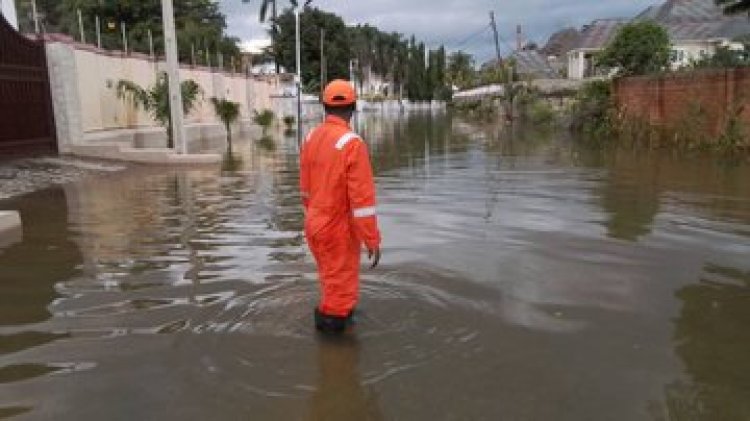
The National Emergency Management Agency is calling on state governments to start putting flood prevention measures in place now, following forecasts that more than 30 states could see serious flooding during the 2026 rainy season.
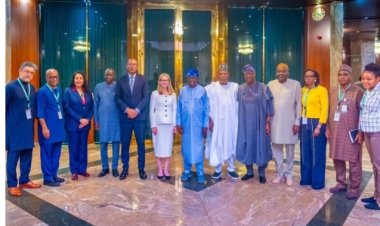
NEMA Director General Zubaida Umar made the appeal on Wednesday after a courtesy visit, warning that early action is key to reducing damage and saving lives.
She said states should reintroduce monthly environmental sanitation, clear blocked drains and waterways regularly, strengthen their State Emergency Management Agencies, and ensure Local Emergency Management Committees are set up and functioning at the grassroots level.
To guide the response, NEMA has developed a 2026 Climate-Related Risk Management, Preparedness, and Mitigation Framework. Through its Flood Early Warning System, the agency has also mapped flood risk profiles and vulnerability levels for communities across the country to help federal, state, and local authorities plan targeted interventions.
Umar urged traditional rulers, religious groups, women and youth organizations, the media, and the private sector to help spread early warnings and promote community preparedness.
Responding in Adamawa, Governor Ahmadu Fintiri praised NEMA’s proactive approach and said the state would review and act on the recommendations to limit flood impact. He also thanked the agency for its continued support during emergencies in the state.
At a flag-off event attended by officials from Adamawa and Taraba SEMA, local government representatives, volunteers, and the media, Umar stressed that everyone has a role in amplifying warnings and getting communities ready.
Nigeria faces severe flooding almost every rainy season, with lives lost, farmlands destroyed, and thousands displaced. Poor drainage, blocked waterways, climate change, and unplanned urban growth have made the problem worse in recent years.
Federal and state agencies say they are stepping up early warning campaigns and preparedness efforts to cut the humanitarian and economic toll on vulnerable communities.