HURIWA warns as cooking gas hits ₦2,000/kg in parts of Nigeria
By Victor Idajili
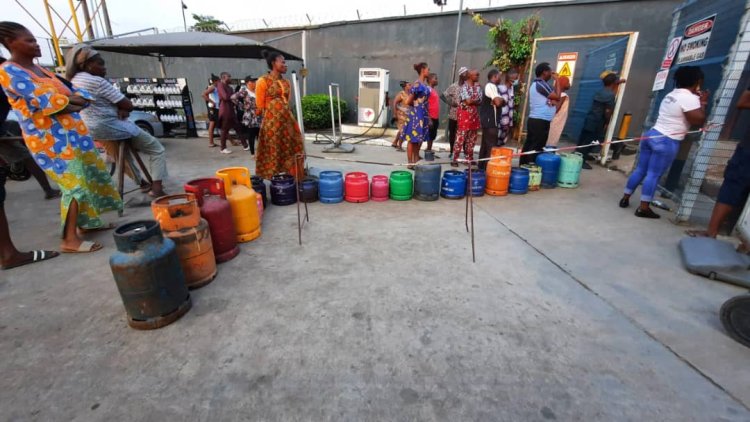
The Human Rights Writers Association of Nigeria has raised alarm over soaring cooking gas prices, saying LPG has reached ₦2,000 per kilogram in some areas and is pushing millions of Nigerians deeper into hardship.
In a statement signed by National Coordinator Emmanuel Onwubiko, HURIWA described the development as a failure of market regulation and government oversight.
The group said cooking gas is a basic household need that is gradually slipping beyond the reach of ordinary Nigerians already grappling with high food prices, transport costs and electricity bills.
“Many families are now being forced to make difficult choices between purchasing cooking gas and meeting other essential needs,” HURIWA stated. It added that the price surge is no longer just an economic issue but one that directly affects citizens’ welfare and living conditions.
The association warned that leaving the price of a critical energy source unchecked could deepen energy poverty and expose vulnerable households to greater hardship. It argued that access to affordable cooking fuel should be treated as a matter of public interest, especially amid high inflation.
HURIWA criticised what it called inadequate oversight of the energy market and urged the Federal Government and relevant regulators to investigate the causes of the latest price hike. It also called for sanctions against operators engaged in exploitative practices and for measures to stabilize the LPG market.
The group warned of environmental and health consequences if the trend continues. “If cooking gas continues to move beyond the reach of average households, more Nigerians may resort to firewood and charcoal for cooking. That shift could increase deforestation, worsen environmental degradation and expose families to health risks from smoke inhalation,” it said.
HURIWA said urgent intervention is needed to protect consumers from excessive pricing, stressing that “governance should ultimately be measured by its impact on the welfare of citizens and the affordability of essential goods and services.”