FG Spent N30.6tn in 30 Months After Subsidy Removal, Says It Saved N15.8tn
By Victor Idajili
Two and a half years after President Bola Tinubu scrapped petrol subsidy and unified the naira, the Federal Government says the policy changes pulled N15.8 trillion into government coffers, but it spent N30.64 trillion trying to manage the fallout.
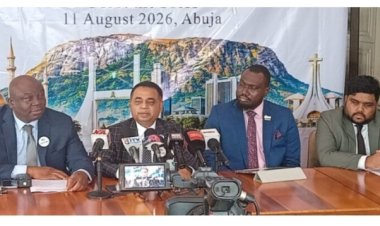
The numbers were made public on Wednesday in Abuja at the launch of the administration’s “Nigeria Reform Scorecard: The Benefits, Costs and Harm Prevented.”
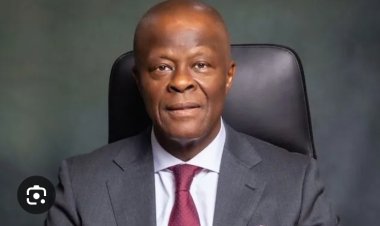
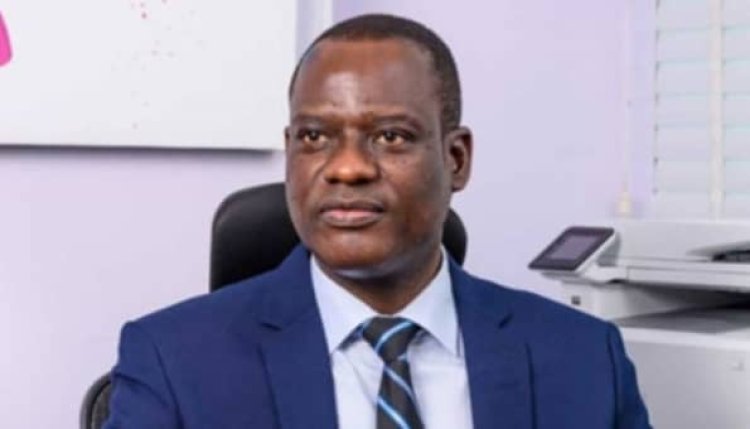
Speaking at the event, Finance Minister Taiwo Oyedele said the assessment covered June 2023 to December 2025. According to him, ending subsidy and merging exchange rates generated the N15.8 trillion.
But Nigerians hoping to find a special “subsidy savings account” will be disappointed. There isn’t one.
“Many people will say, ‘Where is the subsidy saving?’” Oyedele said. “The truth is, there wasn’t any line in the Federation Account called ‘subsidy savings.’ What happened is that government started collecting more naira. A dollar of import duty that was N460 before now brought in over N1,000. Petroleum Profit Tax also rose. So the savings showed up as higher revenue, not as money sitting in a separate pot.”
He noted that FX unification also killed what he called “an implicit subsidy for rent-seekers” rather than ordinary citizens or manufacturers.
Of the N15.8 trillion, the Federal Government took N5.4 trillion, about 34%. States got N6.5 trillion, 41%, and the 774 local governments shared N3.9 trillion, 24%.
For the FG itself, total new resources within the period stood at N20.4 trillion. That includes its N5.4 trillion share, N3.1 trillion from independent revenue, mostly from government agencies, and N11.9 trillion in borrowing. Borrowing alone made up 58% of the FG’s new money.
But spending ran far ahead of income. The FG’s extra expenditure hit N30.64 trillion. That’s N10.24 trillion, or 50.2%, more than the N20.4 trillion in new resources.
In plain terms, for every N100 of new money, the government spent about N150. The remaining N10 trillion came from its existing revenue base.
More than 82% of the N30.64 trillion went to three things: N9.39 trillion for wage increases, the new minimum wage and allowances; N9.37 trillion for extra external debt servicing due to naira depreciation; and N6.47 trillion for strategic infrastructure.
Other big-ticket items were N3.14 trillion for electricity subsidies, N1.24 trillion for higher domestic debt servicing, N423.8 billion for social welfare, and N419.1 billion for the FCT, Ecological Fund and other interventions.
“Every naira of this is accounted for, and the breakdown is in the scorecard we are releasing today,” Oyedele said.
The minister admitted the reforms were painful. “Those decisions came at a real cost, and we are not here to pretend otherwise. Prices rose. The naira adjusted sharply. Households and businesses felt it, and many still do.”
He argued, however, that not acting would have been worse. Without the reforms, borrowing would have been higher and the fiscal crisis deeper. He added that debt service as a share of revenue has fallen, and states that once struggled to pay salaries now have more fiscal space.
Information Minister Mohammed Idris called subsidy removal one of the government’s hardest decisions, but said it was needed to move spending from consumption to investment.
Budget Minister Senator Atiku Bagudu said Tinubu inherited an economy with one of the lowest revenue-to-GDP ratios globally. “He chose to confront the economic realities he inherited rather than apportion blame,” Bagudu said, adding that reform proceeds are now funding security, infrastructure and human capital projects across all six zones.
When Tinubu announced subsidy removal on May 29, 2023, he said over N1 trillion had been saved within months and promised it would be spent “more directly and more beneficially.”
The new scorecard suggests the money didn’t sit idle. It was quickly absorbed by wages, debt and infrastructure. Two-thirds of the N30.64 trillion spending was covered by new resources, with about N10 trillion coming from existing revenue, even after the government stopped Ways and Means borrowing.
“We invited you here today not to declare a victory, but to give an account,” Oyedele concluded.