Dangote Hikes Petrol Price to N1,200/L Despite Drop in Crude Oil Prices
By Victor Idajili
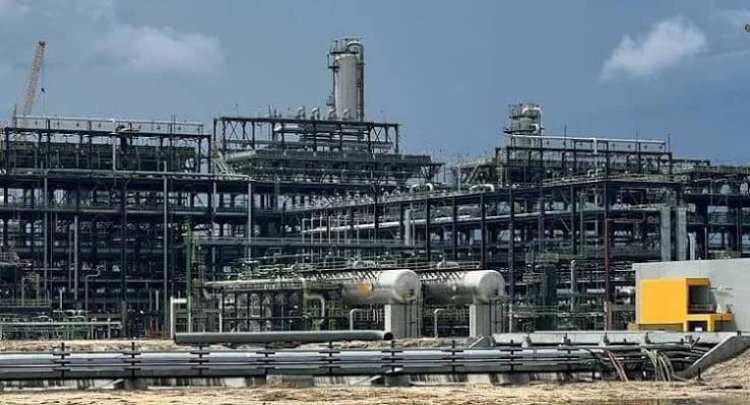
Dangote Petroleum Refinery has raised the price of Premium Motor Spirit again, moving the gantry price from N1,185 to N1,200 per litre. The new rate takes effect from Tuesday, August 26, 2026.
In a notice sent to customers, the refinery’s Group Commercial Operations said both gantry and coastal prices had been reviewed. The coastal price also went up from N1,562,265 to N1,582,380 per metric tonne.
The email, titled ‘PMS Price Change Communication (N1,185 per Litre To N1,200 Per Litre) instructed buyers to return all existing Authorisation to Collect documents for repricing. A new volume contract will be issued for those loading immediately.
“You are advised to return all ATCs for repricing, and a new volume contract will be issued for immediate loading resumption. Should you require any further clarification, please do not hesitate to contact us,” the notice read.
This is the second increase in less than a week. On August 21, the refinery had moved the price from N1,165 to N1,185 per litre. With this latest N15 adjustment, pump prices are expected to climb further once marketers add transport, landing and other costs. Industry sources say petrol could now average around N1,250 per litre at filling stations.
The hike comes at a time when international crude oil prices are actually falling.
As of Tuesday, West Texas Intermediate was trading at $82.13 per barrel, down 3.39%. Brent crude dropped 4.12% to $88.37 per barrel. Murban crude also fell sharply by 8.61% to $92.71 per barrel.
Marketers who received the circular have reportedly started returning old ATCs to comply with the new pricing.
Dangote Group has not responded to requests for comment.
The adjustment comes amid fresh volatility in the global oil market linked to rising tensions between the US and Iran. Reuters reported that oil prices dipped after investors judged new US sanctions on Iran to be less severe than a military clash. But analysts warned the drop could be short-lived if Iran retaliates.
Supply risks remain. Only two commodity vessels passed through the Strait of Hormuz on Monday — the lowest daily count since early May. The strait handles about one-fifth of global oil consumption, so any disruption there could quickly push prices back up.