Dalung: Govt can track critics in minutes but ‘lacks will’ to track terrorists
By Victor Idajili
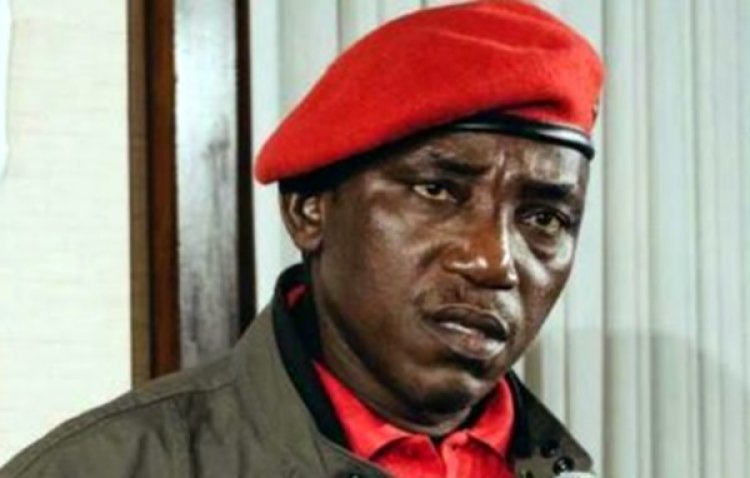
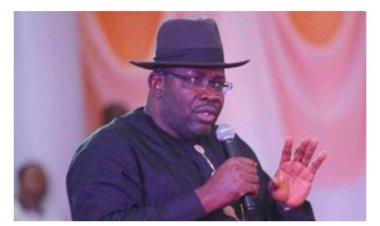
Former Minister of Sports Solomon Dalung has accused the Bola Tinubu administration of lacking political will to tackle Nigeria’s insecurity, saying the government is prioritizing 2027 politics over protecting citizens from terrorism and kidnapping.
Speaking Friday on Arise TV’s Morning Show, Dalung delivered a scathing review of the government’s security response and three-year record.
“Government seems not to have the political will to deal with it. They have all the gadgets to track anybody who criticises the government — they can pick him up in the next five minutes,” Dalung said.
“But they don’t have equipment to track terrorists who display huge phones in the forest, behead teachers, abduct schoolchildren, torture them in the forest, produce videos and send.”
He dismissed the Information Minister’s recent call for unity against terrorism as confirmation of failure. “They don’t seem to have any idea of a solution to the ravaging insecurity that is across the country,” he added.
Dalung described the security architecture as fragmented, with agencies operating in silos. He also warned that terrorists now run a “parallel forest economy,” sustaining themselves without state interference.
Questioning U.S. military support, he asked: “We were told that the Americans are here with us. If the Americans are here with us, what have they been doing? We have not felt their impact.” He urged the government to stop issuing reassurances and empower communities to defend themselves.
On 2027 elections, Dalung said Nigeria has reverted to First Republic-style regional blocs. “Almost all the zones have presidential candidates. So ultimately, in 2027, we may be facing serious confusion as we advance towards election,” he said.
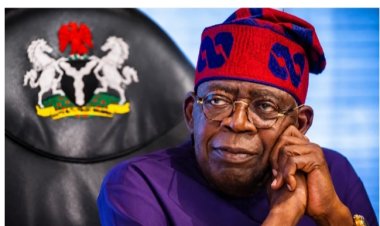
He rated Tinubu’s three years in office as disappointing: “It is just blame game and rhetorics of reforms — reforms that no single iota of the benefit has trickled down. Rather, Nigerians are getting impoverished daily. The economy is in doldrums. Insecurity remains rhetorical.”
Political scientist Obafemi George countered on the same programme, arguing the administration deserves more time. He cited Standard & Poor’s upgrade of Nigeria’s sovereign credit rating from B- to B as evidence of economic stabilization.
George linked rising insecurity to regional instability after French forces withdrew from the Sahel. “This current administration has confronted insecurity that is higher than the previous administration, spent more, and recorded more successes in combating insecurity,” he said, referencing rescue operations in Gwoza and Katsina.
On development timelines, he argued reforms take decades, not months. “I ask people to give me one example of a country in a modern era that has transitioned from being a poor country to a prosperous country in 36 months,” he said, pointing to China, Rwanda under Paul Kagame, and Dubai.
He also referenced former Finance Minister Ngozi Okonjo-Iweala’s warning that Nigeria was “broke,” saying delayed removal of fuel subsidy worsened today’s strain and current reforms aim at long-term stability.