US.Hits Nigerian Exports With 12.5% Tariff Over Forced Labour Concerns
By Victor Idajil
Nigerian goods headed to the United States will now cost more, after Washington slapped a 12.5% tariff on imports from Nigeria over allegations of forced labour in supply chains.
The Office of the United States Trade Representative announced the measure on Thursday as part of a wider trade action covering 60 economies. According to USTR, those countries have not “imposed and effectively enforced” a ban on importing goods made with forced labour.
The new duty puts Nigeria in a higher tariff bracket. Under the Section 301 action, countries that have banned forced-labour imports or committed to do so will face 10%. That group includes India, Indonesia, Malaysia, Mexico, the UK, Canada, and 13 others.
Countries like Nigeria that have not taken those steps were placed at 12.5%. A Federal Register notice seen on Friday stated that “the Trade Representative has determined to impose 12.5 percent tariffs on products of Nigeria,” with exemptions listed in Annex I and Annex II Part A. USTR said the rates were chosen “to obtain the elimination of the acts, policies, and practices determined to be actionable in the investigation.”
The decision follows a months-long review that began in May 2026. USTR said it received more than 1,600 written submissions, held hearings with over 100 witnesses, and consulted 45 governments before moving forward.
U.S. Trade Representative Jamieson Greer framed it as a push for global accountability.
“President Trump recognises that decades of moral suasion have not eradicated forced labour from global supply chains,” Greer said. “The United States has had a forced labour import ban for nearly a century. It’s well past time for our trading partners to do the same.”
Not all Nigerian products will be affected. USTR carved out exemptions for raw materials that could cause U.S. supply shortages, goods that could disrupt the wider economy, items not readily available in the U.S., and selected products from countries that have adopted forced-labour bans. Other exemptions apply where tariffs are unlikely to change the underlying practice.
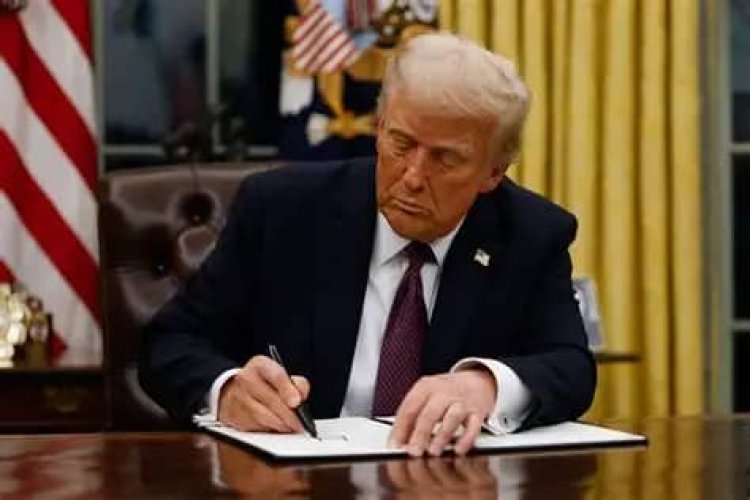
The move comes amid a broader tariff push by President Donald Trump. After the U.S. Supreme Court blocked a wider tariff plan under emergency powers law, Trump invoked Section 122 of the Trade Act of 1974 to impose temporary universal tariffs instead.
For Nigerian exporters, the 12.5% levy means higher costs to sell in the U.S. market. The actual impact will depend on which products end up on the final exemption lists.
USTR said it will keep tracking how countries enforce forced-labour laws, and that tariff rates could be reviewed based on new commitments or stronger enforcement.