Nigeria’s Oil Output Hits 6-Year High, Beats OPEC Target Again
By Victor Idajili
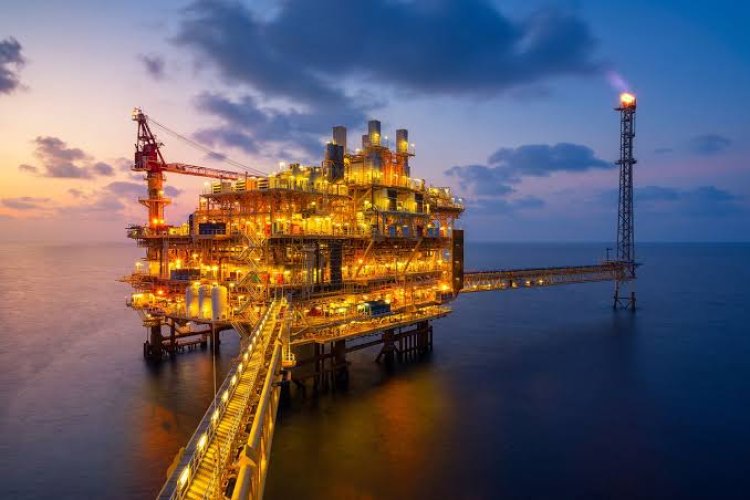
Nigeria pumped the most crude oil in 74 months in June 2026, with production rising above its OPEC quota for the fourth month in a row.
According to fresh industry data, the country averaged 1.735 million barrels per day (bpd) of crude oil and condensate last month. That figure includes 1.56 million bpd of crude oil and about 180,000 bpd of condensates.
The 1.56 million bpd of crude alone was 4% above Nigeria’s OPEC quota of 1.5 million bpd*, meaning the country hit 104% of its target.
It is also Nigeria’s highest monthly crude output since April 2020, marking a clear sign of recovery in the upstream oil sector.
When crude and condensate are combined, total production peaked at 1.89 million bpd in June. Output dipped to as low as 1.57 million bpd on some days, but the overall trend remained upward.
This extends five straight months of growth:
February: 1.483 million bpd
March: 1.546 million bpd
April: 1.663 million bpd
May: 1.700 million bpd
June: 1.735 million bpd — a 2.2% increase from May
Industry sources linked the rise to stable operations at major oil assets and fewer pipeline disruptions, which improved uptime and made crude evacuation easier.
While a few assets had short shutdowns and some fields went for scheduled maintenance, the impact on overall output was minimal.
The report credited operators and other stakeholders for focusing on efficiency, asset integrity, and more reliable production across Nigeria’s oil fields.
Bonny Terminal led with 318,280 bpd, up from 293,880 bpd in May
Forcados followed with 306,360 bpd, up from 289,900 bpd
Qua Iboe slipped to 164,730 bpd from 173,360 bpd — the only top terminal to record a decline
Escravos rose to 138,030 bpd from 135,470 bpd
Bonga stayed fifth with 103,660 bpd, slightly above May’s 102,540 bpd
With output now close to the 2 million bpd mark, analysts say the sustained growth should boost government revenue, improve foreign exchange earnings, and build confidence in Nigeria’s push to restore oil production through better security, infrastructure, and efficiency.