Nigeria Moves to Protect, Not Just Arrest Vulnerable Migrants at Borders
By Victor Idajil
Nigeria is changing how it handles people found at its borders especially trafficking victims, smuggled migrants, and other vulnerable travelers. Instead of treating everyone as immigration offenders, border agencies will now focus on identifying them early and connecting them to protection and support.
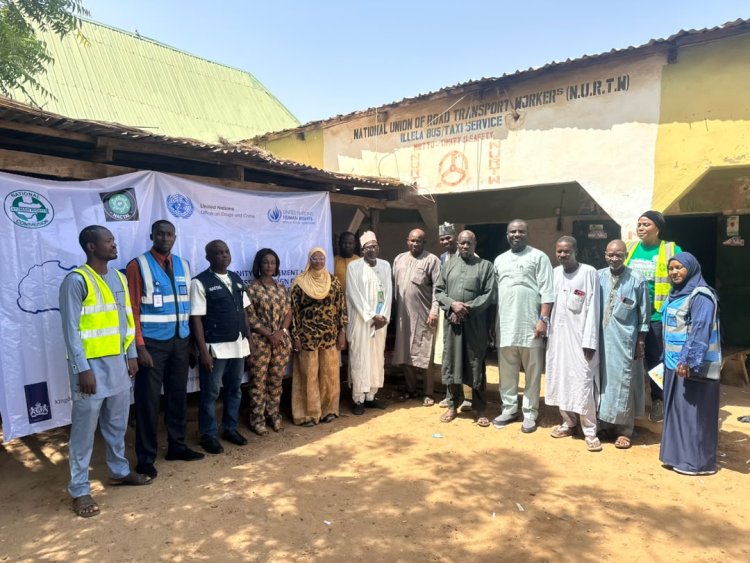
The new approach was agreed on during a training in Sokoto organized by the National Human Rights Commission, NHRC, with support from the UN, NAPTIP, Network Against Child Trafficking And Labour (NACTAL ), Nigeria Immigration Service, IOM, UNODC, and civil society groups.
The goal is to replace the current scattered response with one coordinated referral system that puts human dignity first.
For years, border work has been mostly about arrests and stopping irregular migration. Under the new framework, officials will also ask: what happens after we identify someone vulnerable?
That includes victims of trafficking, asylum seekers, refugees, stranded migrants, unaccompanied children, and others intercepted at land, air, and sea borders.
NHRC Executive Secretary, Dr. Tony Ojukwu (SAN), said the shift shows Nigeria is serious about making border security and human rights work together.
“Effective border management and the protection of human rights are complementary, not competing, objectives,” Ojukwu said. “Every person at our borders, regardless of status, has dignity and rights under our Constitution and international law.”
He noted this didn’t start in Sokoto. The process began in 2023 with a national Training of Trainers in Abuja under the PROMIS Project, followed by sessions in Lagos and assessments at Seme and Idiroko borders. The Sokoto training now extends it to the northwest, with plans for community outreach and an assessment at the Illela border with Niger.
To make it work, stakeholders agreed on key steps that include having _focal persons in each agency to handle protection cases, creating a referral directory with emergency contacts and support services, and setting up an inter-agency communication platform for quick response.
They also set standard procedures for first contact with suspected victims of trafficking and smuggled migrants.
One training exercise drove the point home. Participants role-played a case of a young girl from Jos heading to Ghana who was convinced by a stranger to join a pyramid scheme. Even though she seemed to go willingly, facilitators stressed that officials must still screen for signs of deception or exploitation and refer her properly instead of just turning her back.
The NHRC also unveiled a Human Rights Monitoring and Investigation Checklist for all border points. It will help officials, CSOs, and journalists document abuses like trafficking, forced labor, extortion, torture, and poor detention conditions including overcrowding, lack of healthcare, food, or access to lawyers.
Separate interview forms were created for community leaders and migrants to report migration patterns, unofficial routes, and gaps in protection. Information gathered will help fix weak spots, especially at busy borders like Illela.
Beyond training, Ojukwu said the NHRC and partners will run awareness campaigns in border communities to get locals involved in spotting trafficking and smuggling. “The knowledge acquired during this training should not remain within this room but should be reflected in everyday professional conduct,” he added.
Esther Michael Sawa of OHCHR, speaking for the PROMIS project, said the initiative is about early identification, safe reporting, and proper referral. She urged officials to work with dignity, confidentiality, non-discrimination and the “do no harm” principle.
Stakeholders say the new pathways and tools should lead to faster help for victims and stronger accountability for abuses at Nigeria’s borders.