N5.19trn Still Circulating Outside Banks, Cashless Policy Struggles for Traction
By Victor Idajili
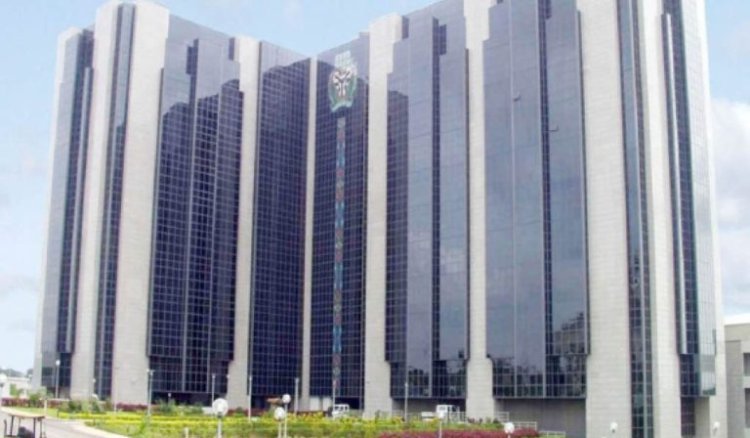
Nigerians are still holding huge amounts of cash despite years of cashless policy and the rise of digital payments.
Data from the Central Bank of Nigeria shows currency outside banks hit N5.19 trillion in May 2026. That’s up from N5.08 trillion in April, a monthly increase of N109.34 billion or 2.15%. Compared to May 2025, it’s N559.16 billion higher — a 12.07% jump in one year.
The figures highlight the challenge facing Nigeria’s cashless push, which was meant to reduce cash use, cut the cost of managing physical money, boost financial inclusion and improve transparency.
But cash remains king for millions of people, especially traders, transporters and others in the informal economy. Digital tools like bank transfers, POS, mobile wallets and agent banking have grown fast, yet most money released into the economy isn’t making it back into the banking system.
CBN data shows total currency in circulation rose to N5.69 trillion in May from N5.65 trillion in April. Of that, 91.27% was held outside banks in May, compared to 90.03% in April. In simple terms, more than 9 out of every 10 naira in circulation are kept by households, businesses and traders instead of in bank accounts.
The ratio is slightly better than the 92.40% recorded in May 2025, but it still shows how deeply Nigerians rely on cash.
Bank reserves also dropped. They fell from N34.603 trillion in April to N33.763 trillion in May, a N840.77 billion or 2.43% decline. That suggests lower liquidity in banks at a time when more cash is outside the system. Reserves are still stronger than a year ago though — up 9.39% from N30.865 trillion in May 2025.
The trend comes as the federal government reportedly plans to tighten the cashless policy to help curb insecurity.
Finance professor Mufutau Ijaiya links the excess cash to two factors: politics and insecurity.
“Many politicians might be taking money from the banks to spend on the forthcoming electioneering. They keep the money in preparation for the election. That is one of the major factors,” he said.
He added: “The money kidnappers collect from people, they don’t take it to the bank. This is another reason why we have a lot of money outside the banking system.”
For now, despite new payment apps and bank reforms, Nigeria’s economy is still largely cash-driven — and that’s making the cashless dream harder to achieve.