Transport Fares Rise as Petrol Hits N1,400 Per Litre
By Victor Idajil
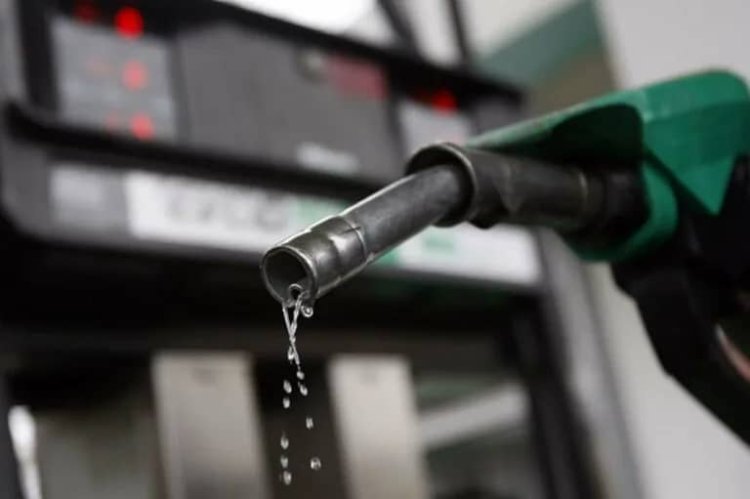
Transport costs have gone up again in parts of Nigeria as petrol prices climbed to as high as N1,400 per litre.
The increase followed a surge in global crude oil prices, with Brent crude rising above $100 per barrel amid renewed tensions in the Middle East.
Fresh loading data from petroleum marketers showed higher ex-depot prices across Lagos, Warri and Calabar.
In Lagos, one major marketer raised its ex-depot price from N1,275 to N1,279 per litre, while several others increased to N1,275. Some kept prices steady at N1,275, while one reduced slightly from N1,278 to N1,274.
Dangote Refinery, the country’s dominant fuel supplier, resumed gantry loading of Premium Motor Spirit in naira on Thursday after a week-long suspension. It also raised its ex-depot price to N1,215 per litre. That represents an increase of N140 per litre, or 13.02 percent, from the previous N1,075.
The refinery had paused gantry and coastal loading on July 15 after switching to a dollar-denominated pricing template. Under that template, PMS was sold at $0.779 per litre, diesel at $1.087, and Jet A1 at $0.942. The refinery said difficulties in accessing enough crude under the federal government’s naira-for-crude arrangement prompted the shift to dollar pricing.
Residents say marketers adjust pump prices quickly when costs rise but are slow to reduce them when global prices fall.
Before the latest Middle East hostilities, Brent crude had dropped to $70 per barrel. Despite that, pump prices did not fall below N1,000, even though petrol sold for around N700 per litre before earlier tensions. The federal government had summoned marketers then to align prices with the drop in crude, but little changed until tensions rose again.
In the Federal Capital Territory, commuters say transport now takes a bigger share of their earnings. Many noted that every fuel price hike immediately leads to higher fares while salaries remain unchanged.
Other residents warned that higher transport costs will push up food prices, since farmers, traders and transporters will pass additional expenses to consumers.
Commercial drivers said the frequent changes make planning difficult. Some said fuel now takes the largest portion of daily income, and without fare adjustments they cannot maintain vehicles or meet family needs.
In parts of Abuja, fares have risen by 20 to 40 percent on several routes compared to a few weeks ago. In Lagos, operators have begun adjusting fares on busy corridors, though competition has limited widespread increases.
Fuel is being sold at varying prices depending on location and supplier, adding uncertainty for drivers who buy fuel multiple times daily.
In Ibadan, fares have remained relatively stable despite pump prices ranging between N1,260 and N1,300 per litre. Drivers there said they cannot keep raising fares because passengers cannot afford it, so operators sometimes absorb the losses.
In Ilorin, several major and independent marketers increased pump prices by N35 to N85 per litre. Prices now range from N1,255 to N1,305 depending on the station.
Residents called on government to take urgent steps to stabilise fuel prices, warning that continued increases will deepen the cost of living crisis. Some expressed concern that the hikes go beyond Middle East tensions and reflect wider policy issues.
In Kaduna, petrol now sells around N1,350 after dropping below N1,200 weeks earlier. Drivers said the volatility is becoming unbearable and passengers often blame them for higher fares.
In Adamawa, NNPCL stations dispense at N1,310 while other independents sell between N1,360 and N1,370. A transport company said it would monitor the market for weeks before deciding on fare changes.
In Kano, fares have largely stayed the same. Tricycle operators said they are waiting to see if prices stabilise before adjusting. Passengers in the city confirmed they are still paying previous rates on major routes.
In Maiduguri, independents sell between N1,370 and N1,390 per litre. The fare from Maiduguri to Kano has risen from N20,000 to N25,000. Marketers said fluctuating prices are discouraging them from loading products because prices can fall before the product arrives.
Small businesses that rely on petrol-powered generators also complained. One business owner said operating costs have risen sharply and service prices may have to go up if the trend continues.
Analysts said the situation reflects Nigeria’s deregulated petroleum market, where local petrol prices are now tied to international crude prices and exchange rates.
Under the Petroleum Industry Act, government intervention in pricing is limited except in cases of market anomalies. Experts noted that Nigeria has committed much of its crude oil to financing agreements, leaving limited volumes for domestic supply.
One analyst said that as long as crude prices remain high due to global tensions, Nigerians will continue to feel the impact. Another suggested government should subsidise crude sales to local refineries in naira to bring petrol closer to N500 per litre.
An economist argued that the reforms have not translated into better living standards. He pointed out that petrol was below N200 per litre in May 2023, rose to around N800, and is now around N1,300 to N1,400. He also alleged that failure to fix local refineries is due to vested interests benefiting from continued importation.