Nigeria’s Petrol, Diesel Spending Hits N3tr in March
By Tony Enokela
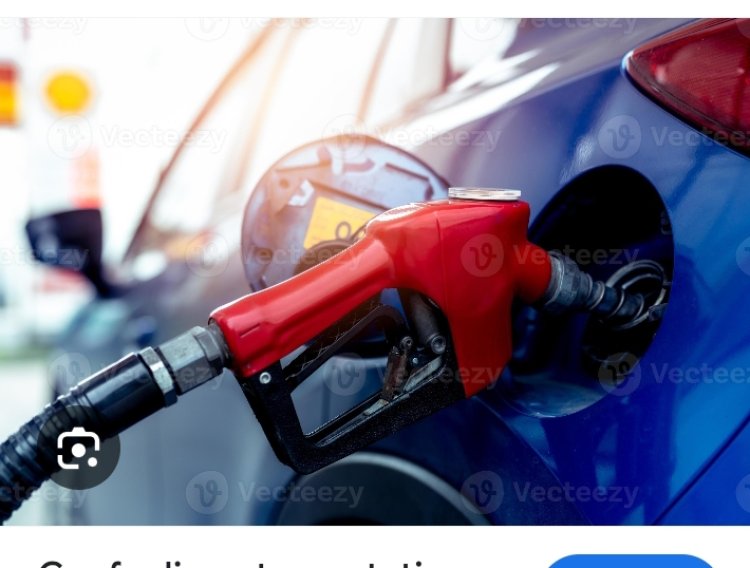
Nigeria’s spending on petrol and diesel is projected to approach N3 trillion in March, driven largely by high daily consumption levels and elevated fuel prices across the country.
Data from the Nigerian Midstream and Downstream Petroleum Regulatory Authority (NMDPRA) shows that Nigerians consume about 56.9 million litres of petrol daily, translating to an estimated N70.8 billion spent every day.
At this rate, total expenditure on Premium Motor Spirit (PMS) alone could exceed N2.1 trillion within the month.
Diesel consumption is also placing significant pressure on households and businesses. With an average daily usage of 20.3 million litres and an average price of about N1,725 per litre, spending on diesel could surpass N1 trillion in March.
Combined expenditure on petrol and diesel is therefore projected to reach nearly N3 trillion, highlighting the scale of Nigeria’s reliance on fossil fuels for transportation, power generation and industrial operations.
The figures come despite a dramatic reduction in petrol imports into the country. NMDPRA statistics indicate that petrol importation plunged by 87.9 per cent, falling from 24.8 million litres per day in January to about three million litres per day in February.
Industry analysts attribute the sharp drop largely to increased domestic supply, particularly from the Dangote Refinery, which has gradually expanded its footprint in the local fuel market.
However, the total volume of petrol available in the country also declined significantly, dropping from 64.9 million litres per day in January to 39.5 million litres per day in February, reflecting tightening supply dynamics.
Despite a recent reduction in the refinery’s ex-gantry petrol price to N1,075 per litre, retail pump prices remain elevated. Across several filling stations in Lagos, petrol still sells between N1,260 and N1,350 per litre, while diesel prices hover around N1,725 per litre.
The rising cost of fuel continues to weigh heavily on transport operators, small businesses and households that rely on petrol generators due to irregular electricity supply.
Meanwhile, the Federal Government has begun assessing the broader economic implications of rising global energy prices amid escalating geopolitical tensions in the Middle East.
Officials warned that prolonged instability could push up the cost of petrol, diesel, cooking gas and fertiliser, while also intensifying inflationary pressures across the Nigerian economy.
In response to rising fuel costs, President Bola Tinubu has directed the nationwide deployment of about 100,000 Compressed Natural Gas (CNG) conversion kits to enable motorists and commercial transport operators switch from petrol to gas.
The government says the move is part of a broader strategy to reduce transportation costs, expand alternative energy options and cushion Nigerians from the impact of rising global oil prices.