Nigeria’s Foreign Reserves Climb to $53.11bn, Highest in 17 Years
By Victor Idajil

Nigeria’s external reserves have risen to $53.11 billion, their highest level since January 2009. The country is now just $142 million away from breaking its all-time record of $53.25 billion set on 12 January 2009.
Data from the Central Bank of Nigeria showed reserves stood at $53.112 billion as of 24 August 2026.
The build-up has been fast. On 3 June, reserves were $49.96 billion. By 24 August, they had gained about $3.15 billion. They also rose from $51.53 billion on 3 July to the current level, crossing the $52 billion mark on 27 July and hitting $52.86 billion on 21 August.
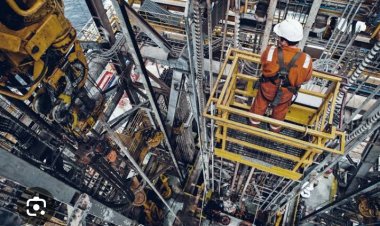
Analysts attribute the growth to stronger oil earnings and increased dollar inflows into the economy. The stronger reserve position gives Nigeria more buffer against external shocks and is expected to boost confidence in the foreign exchange market.
The rise is also happening at a time when the CBN is maintaining a tight monetary policy to control inflation and support overall economic stability.
Abuja-based economist Chukwunmonso Iheoma said the increase strengthens Nigeria’s ability to manage external pressures.
“The rise in reserves strengthens Nigeria’s capacity to manage external pressures and provides greater confidence in the foreign exchange market,” he said.
He, however, cautioned that the government should ensure the growth is backed by sustainable dollar inflows and not just short-term factors.
Speaking earlier on 19 August, the CBN’s acting Director of Corporate Communications, Hakama Sidi-Ali, said Governor Olayemi Cardoso has led major reforms over the past 34 months aimed at laying the foundation for the next phase of Nigeria’s economy. She cited the unification of the foreign exchange market and the successful banking sector recapitalisation as key steps behind the improved reserves.
The CBN says these reforms, alongside improved oil revenues, are helping to rebuild Nigeria’s external buffers and support macroeconomic stability.