EFCC boss: Governorship aspirants spend up to N30bn on primaries, says it fuels corruption
By Victor Idajili
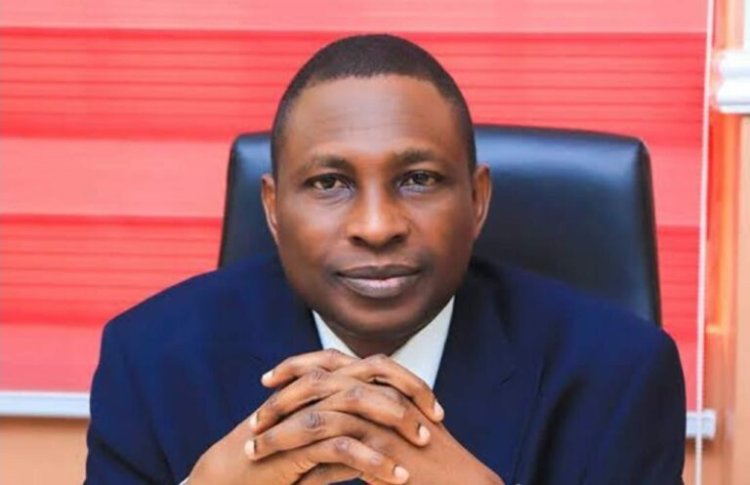
EFCC Chairman Ola Olukoyede has warned that Nigeria’s democracy is under threat from the “commercialisation” of elections, revealing that some governorship aspirants spend between N20bn and N30bn just to win party primaries and elections.
Speaking Wednesday at the University of Ilorin in Kwara State, Olukoyede said the huge money pumped into campaigns forces many elected officials to see public office as a business investment to recover, not a service to citizens.
Delivering the maiden high-level lecture at the Centre for Peace and Strategic Studies, themed “De-risking and Mobilising Critical Stakeholders for Peaceful and Credible 2027 Elections,” the EFCC chair linked high campaign spending directly to corruption after elections.
“The commercialisation of votes weakens the foundation of good governance because it compromises political recruitment,” he said.
“Leaders who buy their way into office are more likely to focus on recovering their investments rather than serving the public interest.”
He noted that this pressure to recoup billions often pushes governors and other officeholders to divert state funds once in power.
Olukoyede said the commission has arrested and prosecuted politicians, electoral officials and others for vote-buying across Nigeria, with several convictions secured. He warned there will be “no sacred cows” in enforcement.
For 2027, the EFCC plans to deploy drones and other tech tools to monitor polling units and catch vote-buying and cash inducements in real time.
He also urged political parties to run issue-based campaigns instead of inflammatory rhetoric, and called on INEC, security agencies, civil society, the media and politicians to work together for credible polls.
University of Ilorin Vice-Chancellor Prof. Wahab Egbewole, SAN, said electoral corruption is a major threat to national security and economic growth. “Credible elections are essential for stability and public confidence in governance,” he stressed.
Director of the Centre, Prof. G.A. Animasawun, said the lecture series was designed to get policymakers, security experts, INEC officials, CSOs and scholars talking early about threats to 2027 elections and how to fix them.
The event drew security agencies, INEC representatives, CSOs, academics and students — all focused on one question: how to stop money from deciding Nigeria’s next leaders.