Banks Shut 476 Branches in Three Years as Digital Banking Grows — CBN
By Victor Idajili
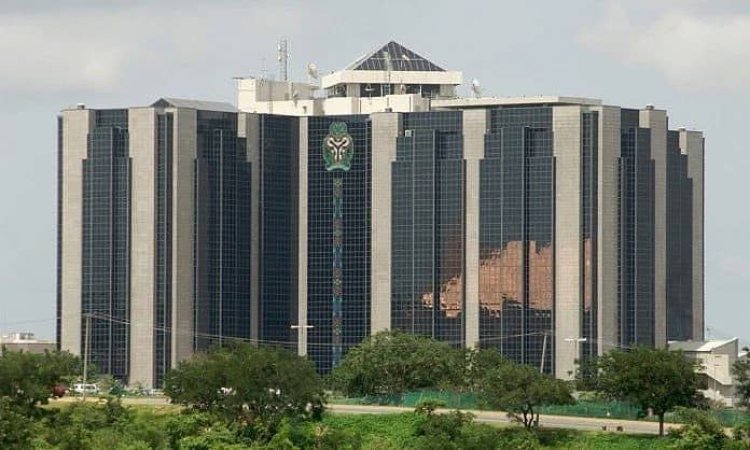
Deposit Money Banks in Nigeria reduced their physical presence significantly between 2022 and 2025, closing a net 476 branches and cash centres, data from the Central Bank of Nigeria shows.
According to figures in the CBN’s 2025 Statistical Bulletin for the Financial Sector, the total number of bank branches and cash centres nationwide fell from 5,410 in 2022 to 4,934 in 2025. That represents an 8.8% decline in three years.
The drop happened even as the number of banks in operation rose. Licensed banks increased from 32 in 2022 to 33 in 2023 and 35 in 2024, before dropping slightly to 34 in 2025. The number of overseas branches stayed at two throughout the period.
The contraction started slowly. In 2023, 37 locations were shut, taking the total to 5,373. The pace picked up in 2024 with 229 closures, bringing the figure to 5,144. Another 210 locations were closed in 2025, leaving 4,934.
That means about 92% of the total reduction occurred in the last two years. The CBN data covers branches and cash centres operated by commercial, merchant and non-interest banks. The figures were compiled from the CBN and the Nigeria Deposit Insurance Corporation.
Lagos recorded the largest drop in absolute terms. The state went from 1,602 locations in 2022 to 1,444 in 2025 a loss of 158 branches, or 9.9%. Lagos alone accounted for about one-third of all closures nationwide. It still remains the biggest hub, with roughly 29% of the country’s 4,934 locations in 2025.
The Federal Capital Territory also saw a decline, from 400 locations in 2022 to 362 in 2025, a net loss of 38 or 9.5%.
Ekiti recorded one of the steepest percentage drops. Its network almost halved from 107 in 2022 to 57 in 2025 a 46.7% decline. Other major reductions were in Enugu, which fell from 162 to 118, and Oyo, which dropped from 237 to 196. Ondo, Plateau, Osun, Cross River and Rivers also saw notable declines.
Some northern commercial centres followed a similar pattern. Kano rose from 164 to 183 between 2022 and 2024, before falling to 157 in 2025. Kaduna also peaked at 164 in 2024 before dropping to 146 in 2025.
Not all states recorded losses. Delta added 23 locations, moving from 173 to 196. Edo grew from 155 to 165. Jigawa increased from 31 to 37, and Kogi from 63 to 68.
The data also highlights wide regional disparities. In 2025, Lagos had 1,444 locations, while Yobe had 23, Taraba 26, Zamfara 28, Bayelsa and Gombe 31 each, and Ebonyi 32.
The accelerated closure of branches reflects a broader migration of banking services to digital platforms. With more Nigerians using mobile apps, USSD, and agent banking, physical locations are becoming less central to service delivery.
At the 2026 CBN Fair in Lokoja, the apex bank called for wider adoption of alternative payment channels to expand access. Speaking on behalf of the CBN’s Corporate Communications Department, Branch Controller Zubairu Salihu said digital channels are especially important for farmers, traders, small businesses and people in the informal sector who have limited access to traditional bank branches.